🏆 チェス史に残る名局10選
チェスの歴史は、単なる勝敗の記録ではありません。盤上に刻まれた天才たちの思考は、何百年もの時を超えて今もなお私たちを驚かせ、感動させ、そして深く考えさせてくれます。ここでは、チェスの歴史を変えた伝説の名局を10局選び、その背景と意義をご紹介します。

1. 不死の対局(1851年)
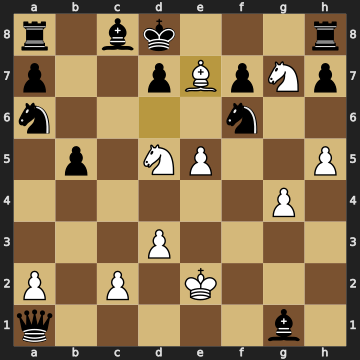
チェス史上最も有名な対局のひとつとして「不死の対局(The Immortal Game)」と呼ばれるこの一戦は、ロマンチックチェス時代の頂点を象徴しています。白番のアンダーセンはクイーンとルーク2枚を犠牲にしながら、わずかなピースで鮮やかなチェックメイトを決めました。相手に大きな物質的優位を与えながらも力強い攻撃で制するこのスタイルは、当時の観衆を熱狂させました。
2. 常緑の対局(1852年)
「不死の対局」と双璧をなす名局が、同じくアンダーセンが演じた「常緑の対局(The Evergreen Game)」です。この対局でもアンダーセンはクイーンを犠牲にし、相手陣に鋭く切り込む手順を見せました。後にヴィルヘルム・シュタイニッツが「チェス史上最も美しい対局のひとつ」と評したほどで、後世の棋士たちに与えた影響は計り知れません。
3. オペラ座の対局(1858年)
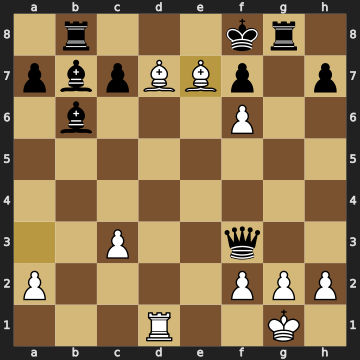
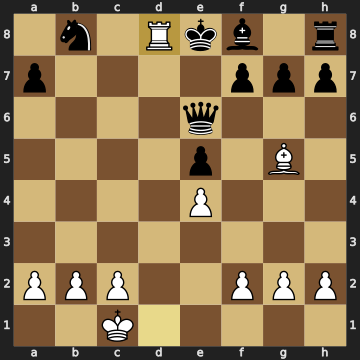
チェス史上最も有名な対局のひとつです。モルフィーはパリのオペラ座でオペラ鑑賞中に、貴族2人との協議制対局を行い、わずか17手で圧倒的な攻撃を完成させました。この対局は「展開の原則」(素早く駒を展開し、キャスリングで安全を確保し、オープンファイルを使う)のお手本として、現代に至るまで教科書に掲載され続けています。
4. 世紀の対局(1956年)
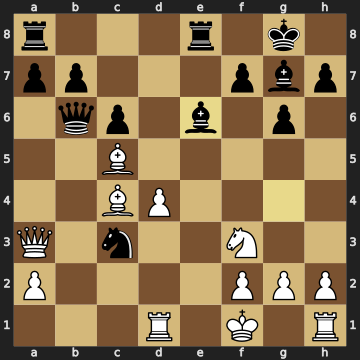
13歳の少年が世界を驚かせた一戦です。ロバート・フィッシャーはわずか13歳にして、当時の強豪ドナルド・バーンを相手に鮮烈なクイーン犠牲からバックランクメイトを決めました。「世紀の対局(The Game of the Century)」と称されたこの一局は、天才少年フィッシャーの登場を世界に知らしめ、チェス界はこの日を境に新しい時代へと突入しました。
5. カパブランカ vs マーシャル(1918年)
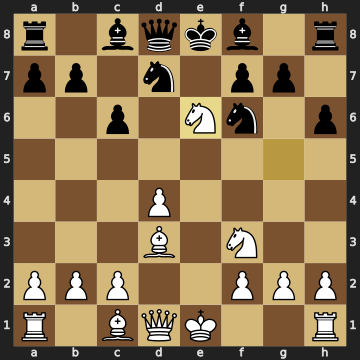
マーシャルは8年間この対局の準備をしていたと言われています。7...g5という奇想天外なキングサイド攻撃——後に「マーシャルアタック」と呼ばれる変化——を秘密にし、満を持してカパブランカに仕掛けました。しかしカパブランカはその場で完璧な対応を見せ、準備した秘密兵器をその場で撃退しました。この対局でカパブランカが見せた直感と読みの深さは、「チェス史上最も偉大な即興演奏」とも評されています。
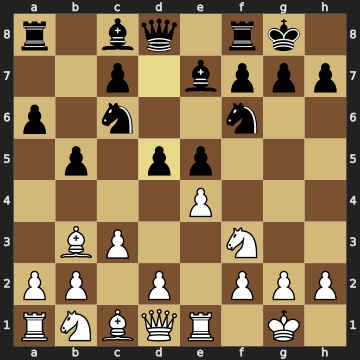
6. カスパロフのクイーン犠牲(1999年)
しばしば「現代チェス史上最高の対局」として挙げられる一戦です。カスパロフは24手目にクイーンを犠牲にし、その後5手にわたって相手陣を切り崩しました。コンピュータ解析でも最善手と判定されるこの犠牲は、人間が直感だけで見つけられる限界を超えているとさえ言われており、カスパロフ自身が「自分が指した最も美しい手」と語っています。
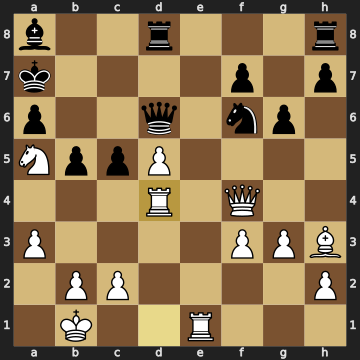
7. レティ vs カパブランカ(1924年)
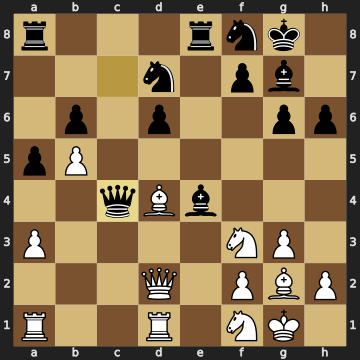
当時、カパブランカは10年以上にわたって一度も敗北を喫していませんでした。その「無敵の機械」を打ち破ったのが、超近代チェスの先駆者レティです。ハイパーモダン的な戦略で相手の中央ポーンを間接的に攻撃し、終盤の精緻な技術で仕留めました。この一局はチェス界全体に「いかなる名人も油断は禁物」という教訓を刻みました。
8. フィッシャー vs スパスキー 第6局(1972年)
冷戦の象徴とも呼ばれた1972年の世界選手権。アメリカのフィッシャーとソ連のスパスキーが戦ったこのマッチは、チェスが単なるゲームを超えて国家の威信をかけた戦いとなりました。中でも第6局はフィッシャーがクイーンズ・ギャンビット拒否という意外な選択で臨み、エンドゲームで見事な技術を披露しました。スパスキーは終局後、自ら立ち上がって拍手を送ったというエピソードは今も語り継がれています。
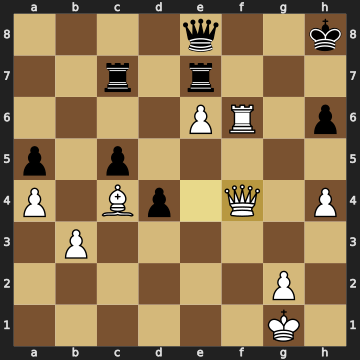
9. ディープ・ブルー vs カスパロフ(1997年)
人類とコンピュータの歴史的な対決です。IBMのスーパーコンピュータ「ディープ・ブルー」が6局マッチでカスパロフを3.5対2.5で下したこの出来事は、世界中に衝撃を与えました。カスパロフは第2局の36手目にコンピュータが指した謎めいた手に心理的に動揺し、その後のプレーに影響が出たとも言われています。この対局は「AIの時代の幕開け」を告げる歴史的転換点として、チェス界のみならず科学界全体に大きな影響を与えました。
10. カールセン vs アナンド 第5局(2013年)
22歳のカールセンが世界最高峰の舞台でアナンドを圧倒した世界選手権です。特に第5局は、カールセンがプレッシャーを与え続けながら相手のミスを誘発するという「ボアコンストリクター戦法」の真髄を見せた一局です。この勝利でカールセンは世界チャンピオンの座を獲得し、その後10年以上にわたって世界王座に君臨し続けました。
名局から学べること
これら10局に共通するのは、単に「強い手を指した」という事実ではありません。それぞれの棋士が盤上に自分の哲学を表現し、チェスというゲームの可能性を押し広げた点にあります。アンダーセンの攻撃美学、モルフィーの展開理論、フィッシャーの完璧主義、カスパロフの火力、カールセンの忍耐——これらはチェスという芸術の多様な側面を示しています。
チェスを学ぶということは、こうした先人たちの思考に触れることでもあります。定跡を覚えるだけでなく、「なぜその手が良いのか」という問いを持ち続けることが、チェスの本当の楽しさへの扉を開いてくれます。

🏆 10 Legendary Chess Games That Changed History
Chess history is more than a record of wins and losses. The thoughts of geniuses etched onto the board continue to surprise, move, and inspire deep reflection across centuries. Here we present ten legendary games that changed the course of chess history, exploring their background and lasting significance.
1. The Immortal Game (1851)
One of the most celebrated games in chess history, "The Immortal Game" stands as the pinnacle of the Romantic era. Playing White, Anderssen sacrificed his queen and both rooks while delivering a brilliant checkmate with minor pieces alone. This dazzling attacking style electrified audiences of the time and set the standard for chess beauty.
2. The Evergreen Game (1852)
A companion masterpiece to The Immortal Game, Anderssen once again sacrificed his queen and launched a devastating attack deep into the enemy position. Wilhelm Steinitz later called it "one of the most beautiful games in chess history," and its influence on subsequent generations of players cannot be overstated.
3. The Opera Game (1858)
One of the most famous games ever played. While watching an opera at the Paris Opera House, Morphy faced two nobles in a consultation game and completed a brilliant attacking combination in just 17 moves. This game remains a textbook example of development principles and is still used in chess instruction to this day.
4. The Game of the Century (1956)
The game where a 13-year-old boy astonished the world. Robert Fischer, just 13 years old, stunned the chess world by sacrificing his queen against Donald Byrne, then executing a brilliant back-rank mate. Called "The Game of the Century," this performance announced the arrival of a prodigy and ushered chess into a new era.
5. Capablanca vs Marshall (1918)
Marshall had reportedly prepared this game for eight years. He unleashed a shocking kingside attack with 7...g5 — later known as the "Marshall Attack" — as a secret weapon against Capablanca. Yet Capablanca responded with over-the-board brilliance, neutralizing the prepared ambush on the spot. The improvised defense he showed is considered by many "the greatest improvisation in chess history."
6. Kasparov's Queen Sacrifice (1999)
Often cited as "the greatest chess game of the modern era." On move 24, Kasparov sacrificed his queen and proceeded to dismantle the opponent's position over the next five moves. Even computer analysis confirms these moves as optimal. Kasparov himself has called this "the most beautiful move I ever played."
7. Réti vs Capablanca (1924)
For over ten years, Capablanca had not lost a single game. The man who broke this streak was Réti, a pioneer of hypermodern chess. Using indirect pressure on the center and precise endgame technique, Réti handed "the unbeatable machine" his first defeat in a decade.
8. Fischer vs Spassky, Game 6 (1972)
The 1972 World Championship pitted America's Fischer against the Soviet Union's Spassky in a match that transcended chess to become a battle of national prestige. Game 6 became legendary when Fischer surprised everyone with the Queen's Gambit Declined, then demonstrated magnificent endgame technique. After the game, Spassky stood and applauded — a story still told today.
9. Deep Blue vs Kasparov (1997)
The historic battle between humanity and the computer. IBM's supercomputer "Deep Blue" defeated Kasparov 3.5–2.5 in a six-game match, shocking the entire world. This event is remembered as a historic turning point heralding the dawn of the AI era, with enormous impact beyond chess into the broader scientific world.
10. Carlsen vs Anand, Game 5 (2013)
The 22-year-old Carlsen dominated Anand on the world's greatest stage. Game 5 showcased the "boa constrictor" style — relentlessly applying pressure until the opponent cracks. This victory secured Carlsen's first World Championship title, which he would defend for over a decade.
What We Learn from These Masterpieces
What these ten games share is not simply that brilliant moves were played. Each player expressed their own philosophy on the board and expanded the possibilities of chess as a game. Anderssen's attacking beauty, Morphy's development theory, Fischer's perfectionism, Kasparov's firepower, Carlsen's patience — all reveal different facets of chess as art.
To study chess is to encounter the thinking of these great predecessors. Going beyond memorizing openings and always asking "why is this move good?" is the key that opens the door to the true joy of chess.