⚠ 初心者がやりがちな
ミス10選と改善法
チェスを始めたばかりの頃、誰もが同じようなミスを繰り返すものです。これは決して恥ずかしいことではなく、すべての上級者が通ってきた道です。大切なのは、そのミスのパターンを知り、意識して直していくことです。ここでは初心者に最もよく見られるミス10選と、その具体的な改善方法をご紹介します。

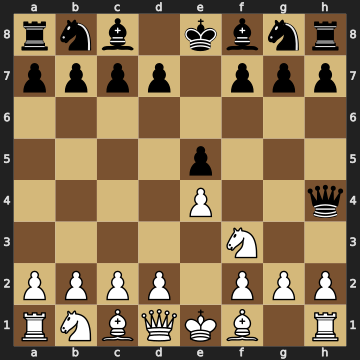
ミス① クイーンを早く出しすぎる
ゲーム開始直後にクイーンを前線に出し、相手のナイトやビショップに追い回されて時間を無駄にしてしまうパターンです。クイーンは最強の駒ですが、序盤は最も攻撃を受けやすい状況でもあります。
ミス② 1つの駒ばかり動かす
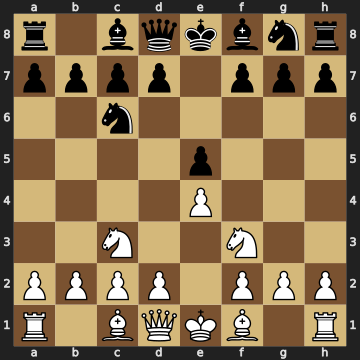
同じ駒を何度も動かして、他の駒の展開が遅れてしまうミスです。序盤の目標は「すべての駒を使える状態にすること」であり、1つの駒に頼りすぎると残りの駒が「眠った」まま中盤を迎えてしまいます。
ミス③ キャスリングを忘れる・遅らせる
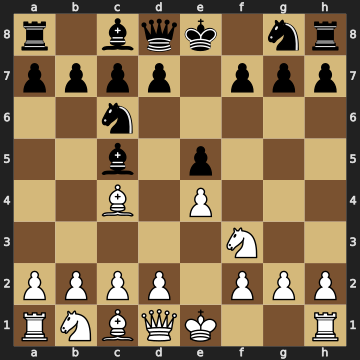
キャスリングのタイミングを見誤り、センターにキングをさらしたまま中盤を迎えてしまうミスです。特に経験の浅い段階では、キングを安全な場所に移動させることが最優先事項です。
ミス④ 相手の手を読まない
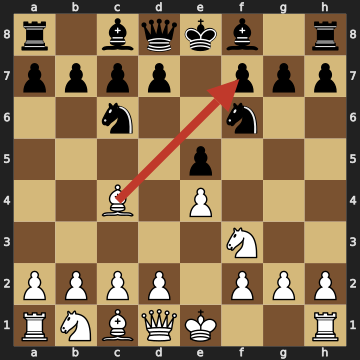
自分の攻撃計画ばかりに集中して、相手が何を狙っているかを考えないミスです。チェスは2人でやるゲームです。自分の次の手を考える前に、「相手は今何を狙っているか?」を必ず確認する習慣が上達の基本です。
ミス⑤ ポーンを無計画に進める
なんとなくポーンを前に進め続け、後で守れなくなって失ってしまうミスです。ポーンは後退できない唯一の駒であり、一度進んだら引き返せません。特に孤立ポーン(隣にポーンがない状態)は格好の攻撃目標になります。
ミス⑥ タダ取りを見落とす
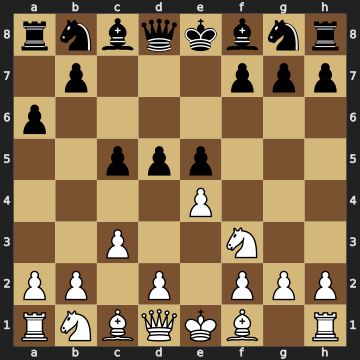
自分の駒が守られていない場所(アンガード)に置いたまま気づかず、相手にタダで取られてしまうミスです。初心者の対局では、これが最も頻繁に起きる物質的損失の原因です。
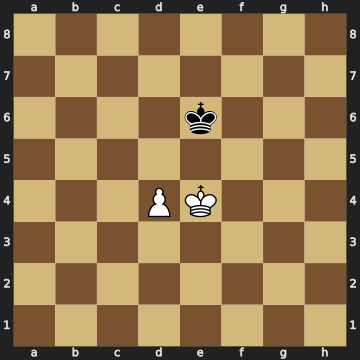
ミス⑦ 終盤でキングを動かさない
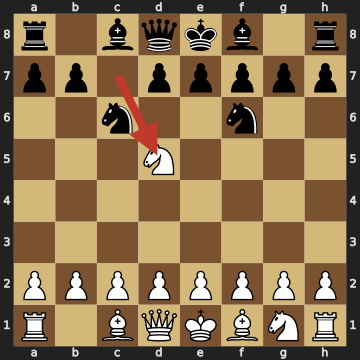
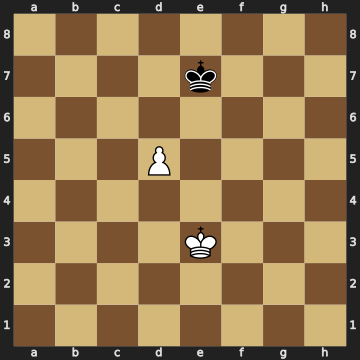
終盤になってもキングをコーナーに隠したままにして、チャンスを逃すミスです。終盤ではキングは強力な戦力です。駒が少なくなれば、キングを積極的に中央に進出させて攻撃に参加させるのが基本原則です。
ミス⑧ 急いで攻撃しようとする
準備が整っていないのに攻撃を仕掛け、反撃を受けて逆に不利になってしまうミスです。良い攻撃には必ず準備が必要です。展開が完了する前の攻撃は、たいてい失敗に終わります。
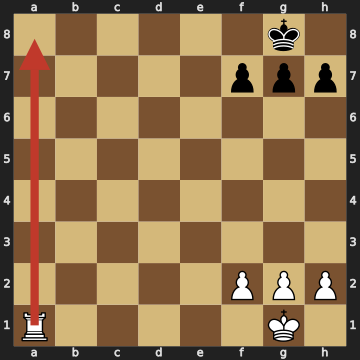
ミス⑨ バックランクメイトを見落とす
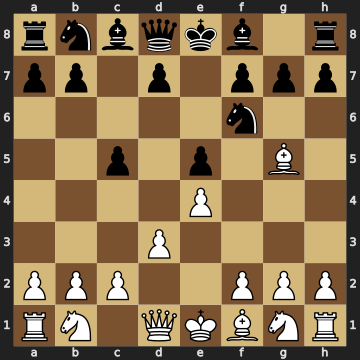
キャスリング後にポーンで守られているキングが、バックランク(最後列)からルークやクイーンでメイトされてしまうミスです。これは初中級者の対局で非常によく見られる詰み方です。
ミス⑩ 負けた局面を分析しない
負けた後にすぐ次の対局に移り、「どこで間違えたか」を振り返らないミスです。チェスの上達で最も重要なのは、自分のミスから学ぶことです。対局の記録を残し、負けた局面を分析する習慣がなければ、同じミスを繰り返し続けることになります。
まとめ——上達の本質
これら10のミスに共通するのは、「焦り」と「見落とし」です。チェスは時間をかけて考えるほど良い手が見つかるゲームです。焦らず、相手の意図を考え、自分の駒の安全を確認する——このシンプルな習慣を身につけるだけで、チェスは確実に上達していきます。
KitsuneChessの定跡レッスンでは、各手の意図を一手ずつ解説しています。「なぜその手が良いのか」を理解することが、こうしたミスを減らす最も効果的な道です。
⚠ 10 Common Beginner Mistakes
and How to Fix Them
When starting out in chess, everyone makes the same types of mistakes. This is nothing to be ashamed of — every advanced player has walked this same road. What matters is recognizing these mistake patterns and consciously working to correct them. Here we present the 10 most common beginner mistakes and concrete ways to fix them.
Mistake #1: Bringing the Queen Out Too Early
Moving the queen to the front lines immediately after the game starts, then wasting time as it gets chased around by the opponent's knights and bishops. The queen is the most powerful piece, but in the opening it is also most exposed to attack.
Mistake #2: Moving the Same Piece Over and Over
Moving the same piece repeatedly while the rest of the army sits undeveloped. The goal of the opening is to have all pieces ready for action. Relying too heavily on one piece means the rest enter the middlegame "asleep."
Mistake #3: Forgetting or Delaying Castling
Misjudging the timing of castling and entering the middlegame with the king still exposed in the center. Especially for less experienced players, moving the king to safety is the top priority.
Mistake #4: Not Reading the Opponent's Moves
Focusing only on your own attacking plans and failing to consider what the opponent is threatening. Chess is a two-player game. Before thinking about your next move, always ask: "What is my opponent trying to do?"
Mistake #5: Advancing Pawns Without a Plan
Randomly pushing pawns forward only to lose them because they can't be defended. Pawns are the only pieces that cannot retreat. Isolated pawns (with no neighboring pawns) become easy targets.
Mistake #6: Missing Hanging Pieces
Leaving pieces unguarded without noticing, allowing the opponent to capture them for free. This is the most common cause of material loss in beginner games.
Mistake #7: Not Activating the King in the Endgame
Keeping the king hidden in the corner even in the endgame, missing important opportunities. In the endgame, the king is a powerful fighting piece. The basic principle is to advance the king actively toward the center.
Mistake #8: Attacking Too Hastily
Launching an attack before preparation is complete, only to face a counterattack and fall into a worse position. Good attacks require preparation. Attacks launched before development is complete almost always fail.
Mistake #9: Missing Back-Rank Mate
After castling, allowing the king to be checkmated by a rook or queen sliding along the back rank. This is one of the most common mating patterns in amateur games.
Mistake #10: Not Analyzing Lost Games
After a loss, immediately jumping into the next game without reflecting on "where did I go wrong?" The most important part of improving at chess is learning from your own mistakes.
Summary — The Essence of Improvement
What these 10 mistakes share is "rushing" and "overlooking." Chess rewards taking time to think. Not rushing, thinking about the opponent's intentions, and verifying the safety of your pieces — simply building these habits will reliably improve your chess.
KitsuneChess's opening lessons explain the purpose behind each move, one step at a time. Understanding "why a move is good" is the most effective way to reduce these kinds of mistakes.